
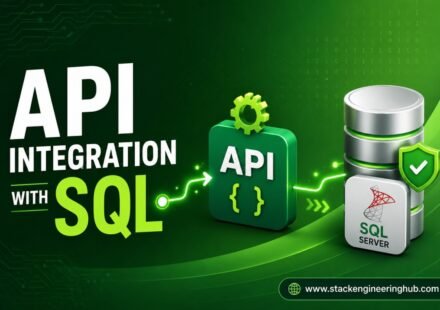
API Integration with SQL Server: Complete Developer Guide Using C# and ASP.NET Core

API Integration with SQL Server is a fundamental skill for modern software developers building web applications, mobile apps, enterprise systems, and cloud-based solutions. Instead of allowing applications to communicate directly with a database,…
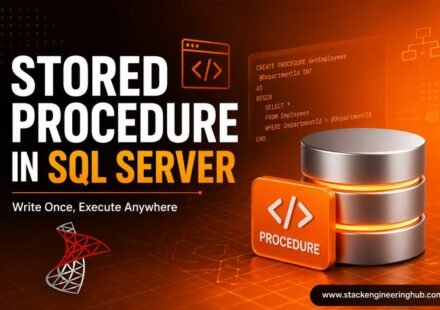
Stored Procedure in SQL Server: Complete Guide with Syntax, Examples, Benefits, and Best Practices
A Stored Procedure in SQL Server is one of the most powerful database programming features used by developers and database administrators to execute SQL statements efficiently. Instead of writing the same SQL queries repeatedly in an application,…
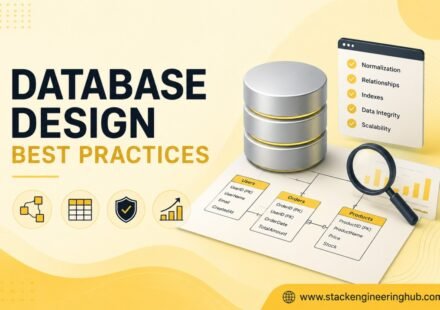
Database Design Best Practices: Build Scalable, Efficient, and Maintainable Databases
Database Design Best Practices are essential for building applications that perform well, scale efficiently, and remain easy to maintain over time. Whether you are developing a small business application or a large enterprise platform, your database…
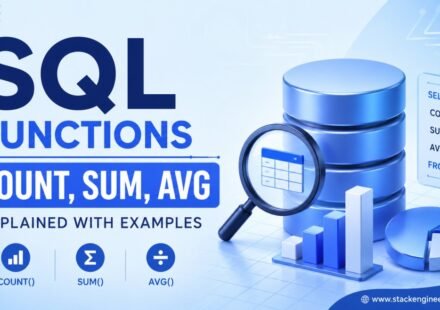
SQL Functions COUNT, SUM, and AVG: Complete Guide with Examples for Developers
SQL Functions COUNT SUM AVG are among the most commonly used aggregate functions in SQL. These functions help developers analyze data, generate reports, calculate totals, and extract meaningful insights from databases. Whether you are working with MySQL,…
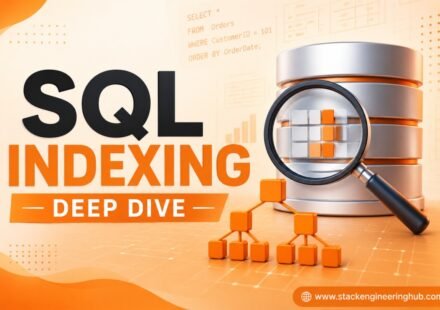
SQL Indexing Deep Dive: How Database Indexes Improve Query Performance
When applications start handling thousands or millions of records, query performance becomes a critical factor. Developers often focus on optimizing SQL queries but ignore one of the most powerful performance features available in relational databases:…
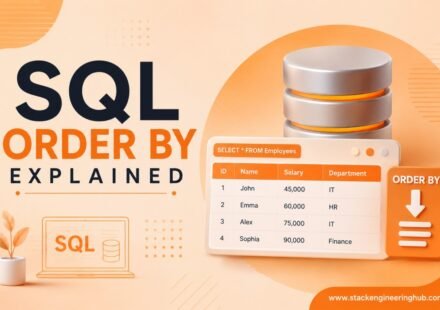
SQL ORDER BY Explained: How to Sort Data Efficiently in SQL Queries
When working with databases, retrieving data is only half the job. In real-world applications, developers often need records displayed in a meaningful order. Customer names may need to be listed alphabetically, products may need to be sorted by price,…
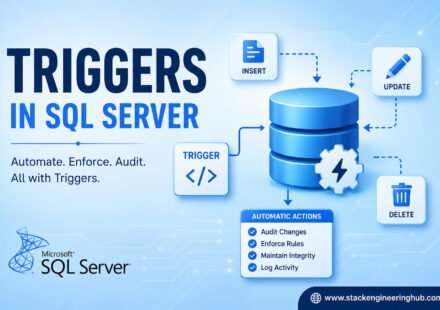
Triggers in SQL Server: Complete Guide with Syntax, Examples, and Best Practices
Triggers in SQL Server are powerful database objects that automatically execute when specific events occur within a database. They are commonly used for auditing, enforcing business rules, validating data, tracking changes, and maintaining data integrity.
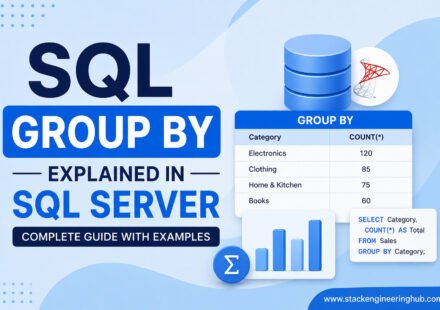
SQL GROUP BY Explained in SQL Server: Complete Guide with Examples
When working with databases, developers often need to summarize large amounts of data. For example, you may want to calculate total sales by product, count customers by city, or find average employee salaries by department.
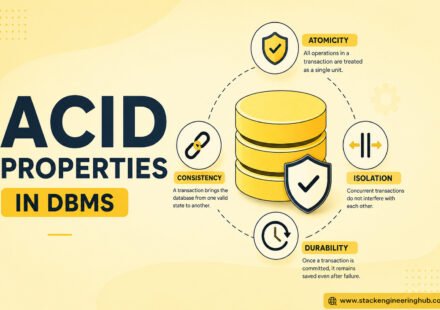
ACID Properties in DBMS: The Foundation of Reliable Database Transactions
Modern applications process thousands or even millions of database transactions every day. Whether you are building an e-commerce platform, banking application, inventory management system, or social media platform, maintaining data accuracy is critical.
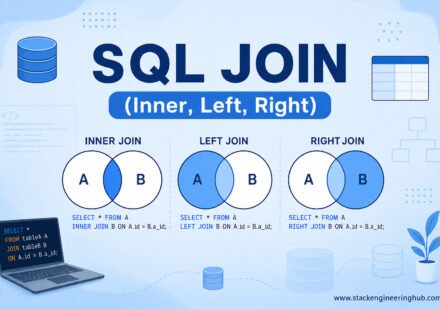
SQL JOIN Explained: INNER JOIN vs LEFT JOIN vs RIGHT JOIN with Examples
SQL JOIN is one of the most important concepts in relational databases. As applications grow, data is often stored across multiple tables rather than a single table. To retrieve meaningful information, developers need a way to combine related data from…